


What to Pack in Your Hospital Bag for Baby (and What Hospitals Already Provide)
Somewhere around week 35, it hits. You open a tab to research what goes in the hospital bag, close it because the lists are overwhelming, and open it again three days later. Most of those lists either tell you to bring half your bathroom supplies or assume the hospital is supplying everything. Neither is quite right.
Hospitals provide quite a bit, especially for the baby, and a lot of what shows up on popular checklists is either redundant or genuinely unnecessary.
This guide cuts through the noise. It's built for real labor and delivery stays and covers what you actually need to pack for mom, for baby, and for whoever is with you.
 When to Pack Your Hospital Bag and Why Preparation Helps
Most experts suggest that you have your bag packed and ready by 35-36 weeks. The Centers for Disease Control and Prevention (CDC) reports that approximately 10% of babies in the United States are born prematurely, or before the expected due date. It is not worth running the risk of waiting until the last week or two to pack. One strategy is to begin a running list beginning at around 32 weeks and then fill the bag at 35 to 36 weeks, adding in any other items you might need at the last minute, such as a phone charger or daily necessities.
Having your bag packed in advance will help you feel more relaxed. It also gives you time to really consider what you will need and not just rush into decisions as you are getting ready to go to labor and delivery.
For many parents, the biggest hurdle is getting the balance right between being ready and carrying too much. Hospital rooms are not spacious, and several large hospital bags can be more of a hindrance than a help.
The best hospital bag list is one that is practical and comfortable. This translates to packing supplies that will aid in your recovery after birth, ease your feeding process, and help you feel more comfortable in the hospital.
Have the bag by the front door or place it in the car where you won't have to look for it when contractions begin.
What Hospitals Usually Provide for Mom and Baby
Parents often overpack because they don't always know what is available in the hospital. Hospitals provide a lot of postpartum and newborn necessities in many instances, which you may be surprised by.
Diapers, wipes, postpartum pads, mesh underwear, basic baby care items, and swaddle blankets will be provided by most hospitals. Many also offer formula if necessary, disposable recovery items, and are available to assist parents who wish to breastfeed.
Depending on the hospital, there are more items that may be available, such as peri bottles, ice packs, baby hats, and basic toiletries.
That is why it is a good idea to consult with your hospital or birthing facility prior to packing a bag altogether. Each hospital stay is unique, and you can avoid bringing in more than what is needed by knowing what is available.
Hospital Bag Checklist for Mom During Labor and Postpartum Recovery
Most mothers spend much more time planning for the baby than for themselves. In practice, however, postpartum comfort can greatly affect the feel of the first few days.
One of the most essential items to take is comfortable clothing. You'll probably want softer, familiar clothes after the delivery, though you may be in a hospital gown during labor. PJs, tops that can be easily unbuttoned for nursing, a good sports bra, and comfortable shoes that you can slip on or off easily can be more helpful than pretty clothes.
There are also a lot of parents who love having something comfortable to wear home, depending on the weather and their physical state following delivery.
Another place where a little goes a long way is toiletries. Even things as basic as your toothbrush, toothpaste, shampoo, deodorant, lotion, hairbrush, and lip balm can make you feel more refreshed following labor.
Lip balm can be particularly useful as the air in the hospital can be dry during lengthy labor times.
Some elements are more important to parents than they realize, such as electronics and comfort items. One of the most often suggested items is a phone charger with a long cord, as outlets are not always near the bed. Bring a snack, a refillable water bottle, and a pillow from home to make your stay a little more comfortable.
Hospital pillows are not always the best option, and many moms later report that packing their own pillow was one of the best ideas they had.
What Your Newborn Actually Needs at the Hospital
When it comes to your hospital bag for baby, less is often more. Many new parents think that their baby requires much more than they do during the first couple of days.
While the baby is in the hospital, most hospitals offer diapers, wipes, and swaddle blankets. This means you'll want to pack a few comfortable clothing items and ensure your baby car seat is ready.
The infant car seat is a must-have, as hospitals will not allow parents to leave the hospital without a properly installed car seat.
Two or three newborn outfits will suffice for the hospital stay. It can also help to bring options in slightly different sizes, as some babies are bigger or smaller than expected.
Additionally, soft blankets, hats, socks, and swaddles can help keep the baby warm on the way home.
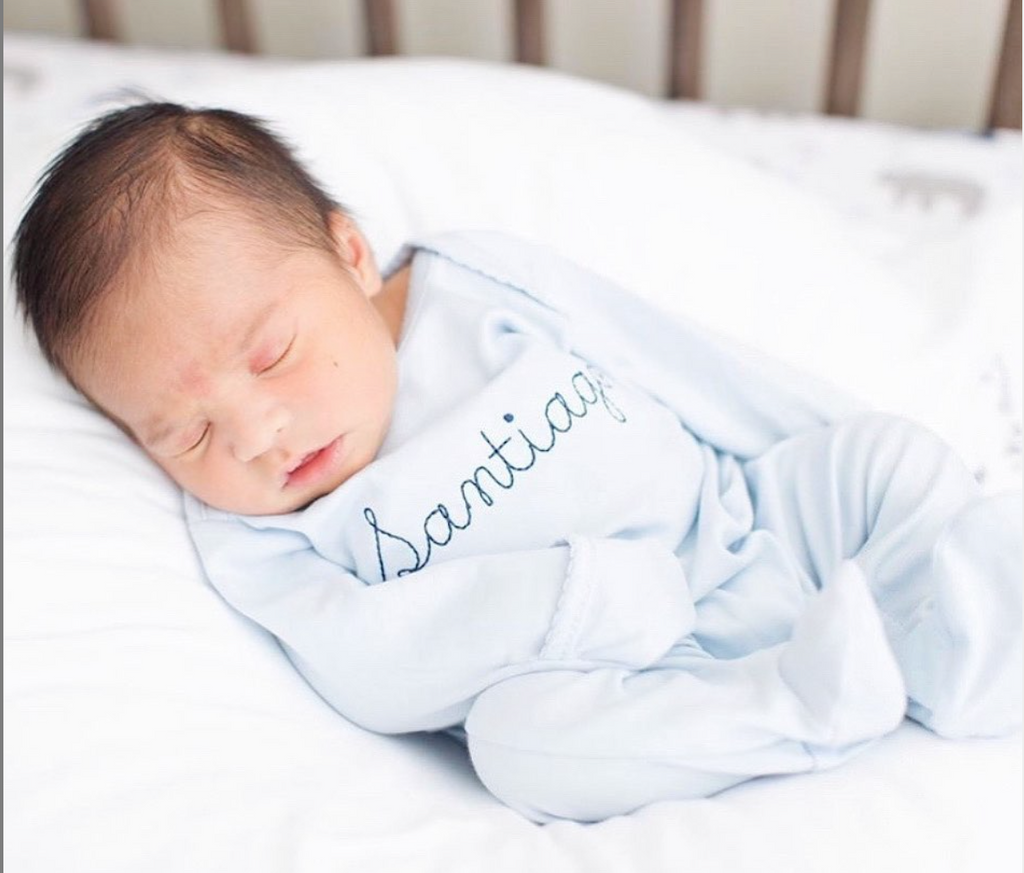
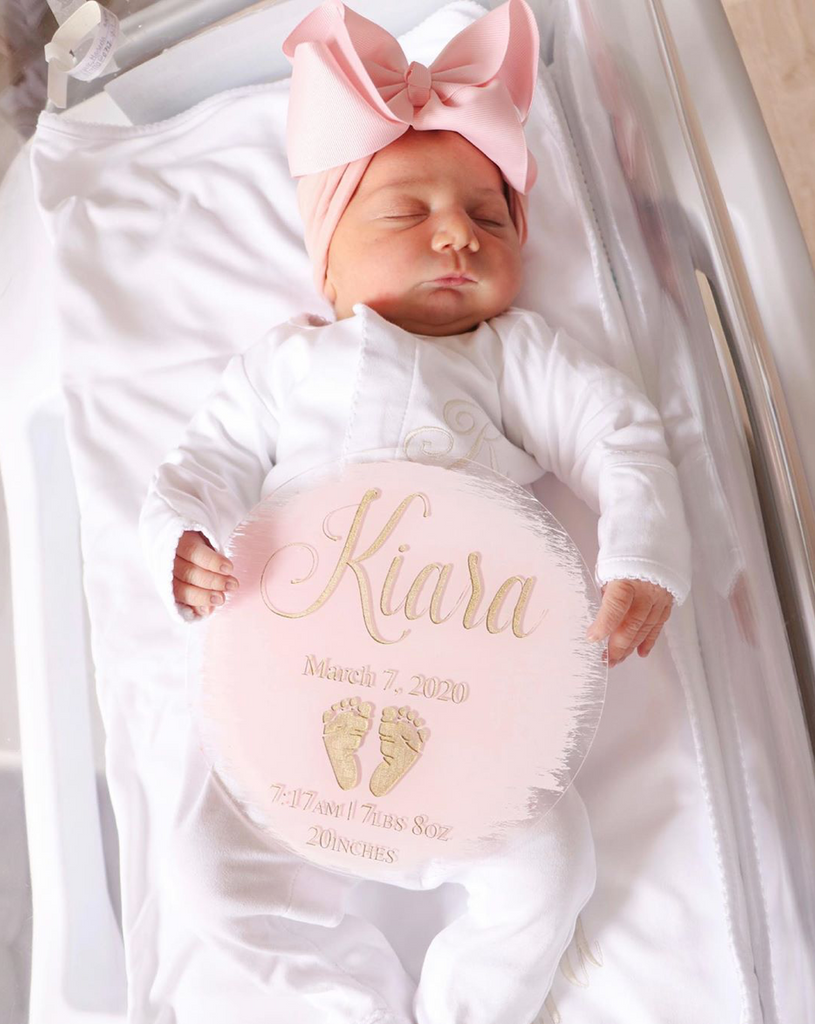
Caprillina's coming-home sets, kimono footies, and personalized blankets are all made from 100% Pima cotton and are worth considering when thinking through what your baby will actually wear during those first hospital hours and the ride home.
Why Postpartum Essentials Matter More Than You Think
One of the biggest surprises for many new moms is how much attention postpartum recovery requires. Labor is only part of the experience. Recovery begins immediately after the baby is born. Packing a few postpartum essentials can make the transition more manageable.
Nursing pads, nipple cream, comfortable underwear, and soft clothes are more helpful than additional outfits or beauty products. Having supportive nursing items on hand can help minimize discomfort while breastfeeding in the early days.
Hydration is also very critical post-birth. Having a reusable water bottle can help with hydration without having to keep asking someone to fill small hospital cups all day long.
Preparing Your Partner or Support Person
The partner or support person might also spend many hours in the hospital, particularly if labor takes longer than expected. A few items for them will make it easier for all.
Most times, comfortable clothing, snacks, toiletries, chargers, and medications will suffice. Also, some partners like to have a blanket or pillow as hospital rooms can be uncomfortable at night. A rested and fed support person is truly more helpful if labor is prolonged. Packing for them isn't an afterthought; it's part of being prepared.
While many people try to plan for mom and baby, they forget that the support person may not be leaving the hospital for extended periods of time, either.
It's best to keep their bag simple but functional.
What You Probably Do Not Need to Pack in Your Hospital Bag
A great way to minimize stress during labor preparation is to stop thinking of all the possibilities.
Parents tend to bring too many clothes, too many items for their babies, and too many "just in case" items that are never used.
Multiple changes of clothes, too many toiletries, too many blankets, and large packs of diapers are typically not necessary. Unless there are medical complications, most hospital stays are relatively short.
It's also a good idea not to bring anything of value, or that's hard to track during labor and recovery.
The lighter and more organized you can get your hospital bag, the easier it will be when it's time to go home.
 Questions Worth Asking Before Your Hospital Stay
It's best to call the hospital directly and inquire about their policies before you pack your hospital bag.
For instance, you might want to find out:
-
What postpartum products are available.
-
If your partner is allowed to stay overnight.
-
Availability of meals for support people.
-
What baby products the hospital will provide.
-
If there are any limitations on pillows or blankets.
These little things can keep you from packing things that you don't need.
Final Thoughts on Preparing for Baby and Your Hospital Stay
A hospital bag checklist should make you feel more confident, not overwhelmed. Don't aim for perfection. Just ensure you have what you need to keep you comfortable, to help you recover, and to care for your new baby.
At Caprillina, parents can find personalized newborn essentials like monogrammed hospital hats and soft knit coming-home outfits designed for those first moments that tend to get photographed and remembered. This is a good starting point when it comes to creating your baby's hospital bag wardrobe.

Leave a comment