


How to Choose Monogram Styles That Grow Gracefully with Your Baby
There is something about a baby's name stitched neatly onto a tiny outfit that never goes out of style. Monogrammed infant clothing has been a fixture of nurseries and baby showers for generations, and for good reason. It turns everyday baby clothes into something personal, something that belongs specifically to that child. It is also, for many parents and gift-givers, the kind of detail you'll look back on fondly long after the onesie no longer fits.
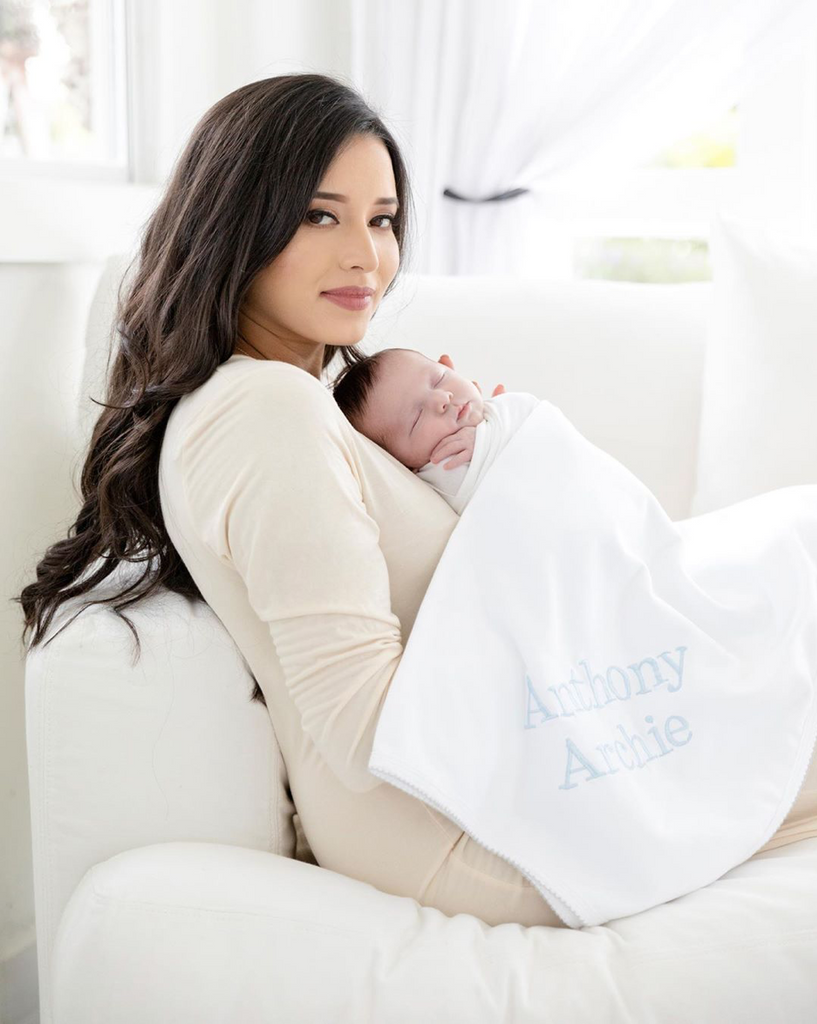
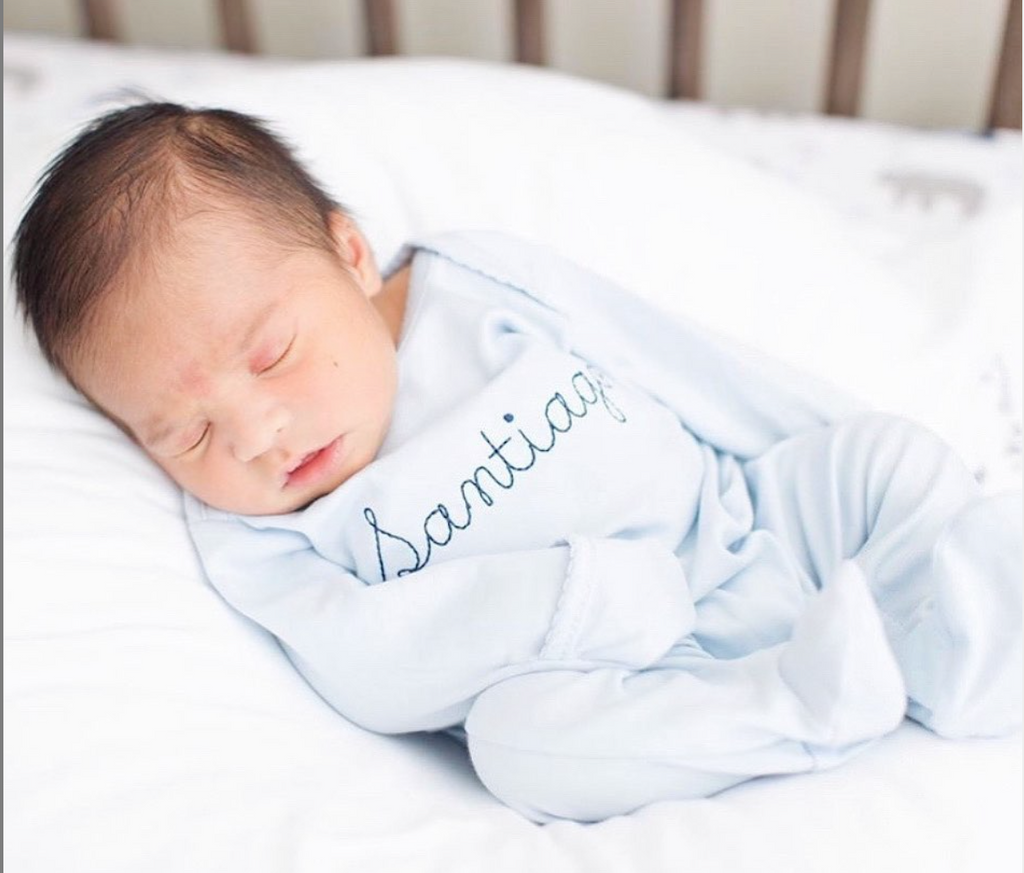
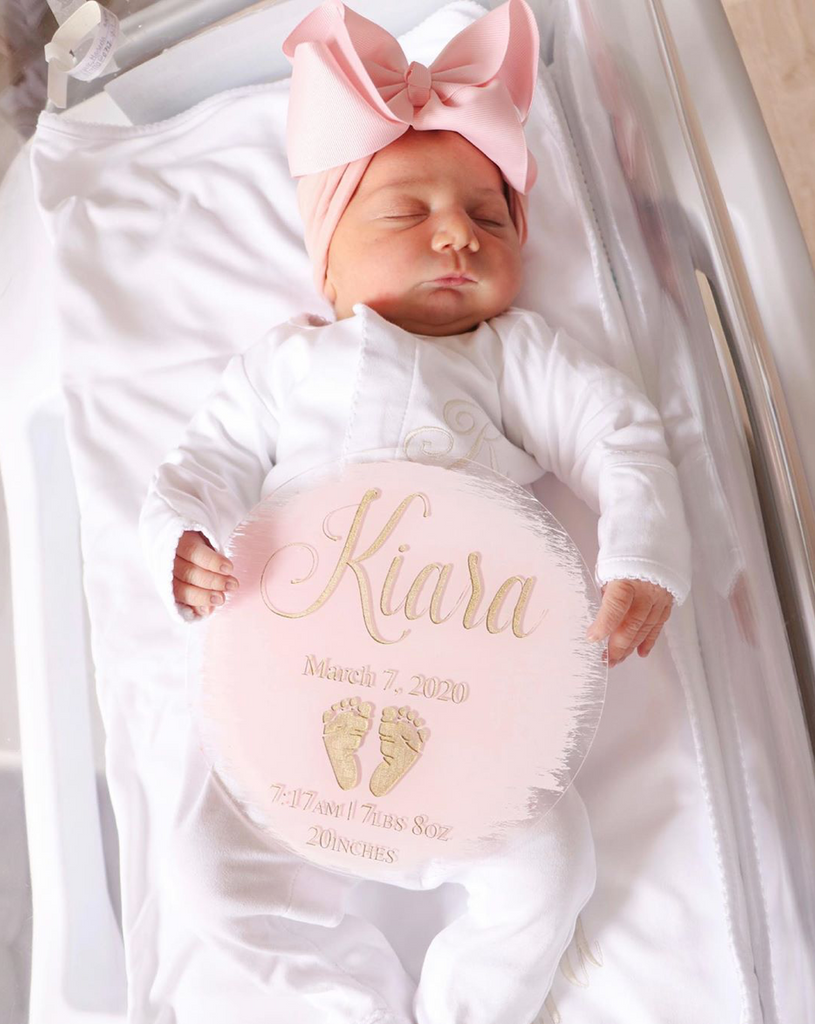
A monogram is simply an arrangement of one or more initials, typically embroidered or printed on an item of clothing or a soft accessory like a blanket or swaddle. For baby apparel, monograms usually feature the baby's first initial, full name, or a three-letter arrangement of the first, middle, and last initials. The style of that monogram, the font, size, placement, and color, is where the real decision-making begins.
Caprilina is a children's clothing boutique specializing in personalized infant clothes and classic baby apparel. It offers a curated collection of monogrammed baby clothes, custom embroidery options, and carefully selected fabrics for every stage.
Choosing a monogram style that will still feel right as your baby grows from newborn to toddler takes more thought than simply picking something cute, and our team is here to guide you through it.
 Why Personalized Baby Clothes Make Such a Lasting Impression
Before getting into the how, it helps to understand why monogrammed baby clothes resonate the way they do. Part of the appeal is practical: monogrammed items are easy to identify at daycare, during travel, or in a sea of similar-looking baby gear. But the deeper pull is sentimental.
According to a survey of 2,000 U.S. adults conducted by OnePoll for Shutterfly, 70 percent of recipients said a personalized gift reflects a deeper bond with the giver. That feeling is especially true with a new arrival. A monogrammed bodysuit or embroidered blanket carries the baby's name into every early memory, and many families cherish the small pieces of clothing that marked those first weeks and months for years to come.
Beyond sentiment, personalization also signals care and attention to detail. A well-chosen monogram on a classic coming-home outfit or a soft swaddle says something about the thought that went into it. That is part of why monogrammed baby girl and baby boy clothes remain popular shower gifts and keepsakes.
Step 1: Decide Which Monogram Format Fits Your Baby's Name
Not all monograms are structured the same way, and the format you choose has a real effect on how the finished embroidery reads on clothing. For infant and toddler apparel, there are three common approaches:
-
Single initial: The simplest option, typically the first initial of the baby's first name. This works well on smaller pieces like a hat, bib, or bootie, where space is limited, and it remains readable even in a delicate font.
-
First and last initials: A two-letter format that works well when the baby has a long middle name or when the parents prefer a cleaner look. It photographs well on bodysuits and rompers.
-
Three-letter monogram: The classic arrangement using the first, middle, and last initials. In traditional monogram style, the last initial appears larger in the center, flanked by the first and middle initials. This is the most formal option and is common on gowns, blankets, and gift sets.
Each format reads differently at different sizes. On a newborn bodysuit or a small bib, a three-letter monogram in a busy font can look cluttered. A single initial or a simple two-letter combination often reads more clearly and elegantly on tiny garments.
Save the fuller three-letter arrangement for larger items like a blanket, a swaddle, or a layette piece where there is more fabric to work with.
Step 2: Choose a Monogram Font That Stays Classic Over Time
Font choice is where many people get tripped up. The options are wide, and what looks adorable on a screen does not always translate as well onto embroidered fabric. For monogrammed baby clothes that are meant to feel timeless rather than trendy, a few guiding principles help.
Fonts that tend to age well on infant clothing include:
-
Classic script fonts: Flowing, slightly formal, and legible at most sizes. A well-executed script monogram on a white romper or a soft pink gown is unlikely to feel dated.
-
Block or serif fonts: Clean lines and clear letterforms make these easy to read even on small embroidered pieces. They photograph crisply and work well for both baby boy clothes and baby girl clothes.
-
Traditional collegiate or stacked fonts: Popular for layettes and gift sets, this style has a preppy quality that holds up across seasons and sizes.
Fonts to use more cautiously include highly decorative or character-themed lettering, which can look charming on a novelty piece but feels mismatched on a classic sweater or a coming-home outfit meant to be kept as a keepsake.
Ask yourself whether the font would still feel right on a toddler wearing the same piece a year from now. If the answer is uncertain, lean toward something cleaner.
Step 3: Match Monogram Placement to the Type of Garment
Where the monogram sits on a garment affects both how it looks and how well it holds up through repeated washing. The same font and format can look elegant or awkward depending on placement, so this step is worth thinking through before you order.
Common placement options for different garment types are Bodysuits and onesies. Chest center or upper left chest. Center placement works for bolder, statement-style monograms; left chest suits a smaller, more refined stitch
Rompers and footies also work well for newborns, with chest-center placement being the most common. On footies specifically, a monogram on the chest keeps it visible and away from the wear that happens at the knees and feet
Blankets and swaddles. Corner placement is traditional and keeps the monogram visible when the blanket is folded. Center placement works for display or keepsake pieces. Keep the font compact for baby hats, since the curved surface limits how clearly embroidery can be read.
A monogram at the hem of a sleep gown is a classic touch that photographs beautifully in newborn photos, but poorly executed embroidery on stretch fabric can pucker over time and affect the fit.
This is one reason working with a shop that specializes in monogrammed infant clothing makes a practical difference, not just an aesthetic one.
Step 4: Choose Thread Colors That Coordinate, Not Just Match
Thread color is the detail that ties a monogram into an outfit, and it is also the detail most often rushed. A quick match to the garment color can work, but the pieces that hold up best as a coordinated wardrobe tend to use thread colors chosen with a little more intention.
A few approaches that work well for monogrammed baby clothes meant to mix and match:
-
Tone-on-tone: Embroidering in a thread shade close to the fabric creates a subtle, textured look. It reads as refined and works across seasons without competing with the rest of an outfit
-
Classic contrast: White or ivory thread on navy, sage, or dusty rose fabric is a combination that rarely goes wrong. It reads clearly in photos and coordinates easily
-
Neutral anchors: Gold, navy, white, and grey threads tend to work across a broader range of garments than brighter accent colors, making them a smart default for a gift set or layette collection
For parents building a collection of personalized infant clothes over time, sticking to one or two consistent thread colors creates a cohesive look across different garments, even when the fabrics and styles vary. It makes dressing your little one each morning a simpler, more pulled-together experience.
Step 5: Consider the Fabric When Choosing Baby Clothes for Every Season
Monogrammed baby clothes are only as comfortable as the fabric they are made from, and fabric choice directly affects which embroidery styles work best. This matters both for everyday wear and for seasonal dressing.
For warm-weather outfits, lightweight and breathable fabrics like pima cotton, linen blends, and cotton knit are the standard choice. These fabrics hold embroidery well, wash easily, and keep a baby comfortable through the summer months. A simple monogrammed romper or a cotton bodysuit in a breathable fabric is an essential piece for warm-weather dressing.
For cooler months, heavier fabrics come into play. A monogrammed sweater or a pullover sweatshirt in a cotton-fleece blend gives a cozy seasonal option that still looks polished. Knit fabrics like these require more attention during the embroidery process to avoid distortion, which is another reason sourcing from a boutique that handles the embroidery in-house matters for quality.
Step 6: Choose Monogram Styles That Work as Shower Gifts and Keepsakes
For anyone buying monogrammed baby clothes as a shower gift or new arrival present, there is one practical challenge: the baby has not arrived yet, or has just arrived, and the buyer may not always know the full name. A few strategies help navigate this cleanly.
First, when in doubt, use the first initial only. A single, beautifully stitched letter on a gown or blanket works for any name and doesn’t require knowing the middle or last name. It also tends to be the most elegant option on smaller garments.
Second, lean toward classic, neutral color combinations. A navy thread on white fabric or ivory on pale pink works for almost any aesthetic and holds up as a keepsake regardless of how the nursery is eventually decorated.
Third, choose garments that are made to last. Heavier fabric weight, reinforced stitching, and quality embroidery work are the marks of a piece worth keeping. Monogrammed clothing is one of those rare baby items that parents often hold onto long after the child has outgrown it, and the quality of the piece determines whether it becomes a true keepsake or simply a reminder of one.
This is the philosophy behind a good monogram shop: the details should feel considered, the execution clean, and the result something the family will want to keep.
 Find the Right Monogrammed Infant Clothing
Choosing monogrammed infant clothing is about more than just adding a name or initials. It is about creating something that feels personal, comfortable, and thoughtfully designed.
The best choices begin with the right garment and build through careful decisions about font, placement, size, and color. When these elements come together, the result is a piece that works for everyday wear while still holding sentimental value.
For families looking to shop monogrammed baby pieces that combine quality with timeless design, Caprilina offers a carefully curated selection of personalized infant clothes.
Our collections focus on soft fabrics, clean embroidery, and classic styles that help parents dress their little one in clothing that feels both special and practical.
Leave a comment